
Everything You Need to Know Before Buying a Hot Tub (2026 Buyer’s Guide)
Buying a hot tub is a major home investment, and choosing the wrong one can lead to high maintenance costs, energy inefficiency, or costly repairs.
In this 2026 hot tub buyer’s guide, we break down everything you need to know before purchasing a hot tub—from costs and lifespan to installation, maintenance, and safety considerations—so you can make a confident, informed decision.
Ready to Find Your Perfect Hot Tub?
👉 Explore Top Hot Tub Models and Deals Now
What Is a Hot Tub?

A hot tub is an insulated water vessel designed to hold heated water, often equipped with jets for massage and hydrotherapy.
Hot tubs are widely used for relaxation, muscle recovery, pain relief, and social gatherings.
Key Features of Hot Tubs:
- Size and Design: Options range from compact inflatable models to permanent built-in
- Power Requirements: Most residential hot tubs need a 220-volt electrical service with a dedicated circuit.
- Maintenance Needs: Regular water testing, chemical balancing, and filter cleaning are
- Water Chemistry: Common chemicals include chlorine or bromine (sanitizers), pH balancers, and algaecides.
Proper maintenance and adherence to manufacturer guidelines are critical for safety and longevity.
Types of Hot Tubs
Choosing the right hot tub depends on your budget, available space, and intended use. Here are the most common types:
1. Inflatable Hot Tubs
- Lowest upfront cost
- Easy to install and relocate
- Limited durability and fewer features
2. Portable Hot Tubs
- Freestanding and movable
- Made from acrylic, rotomolded plastic, or wood
- Ideal for patios, decks, and backyards
 3. Built-In Hot Tubs
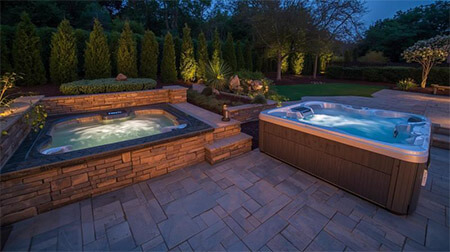 3. Built-In Hot Tubs
- Permanently installed in decks or in-ground
- Customizable features and aesthetics
- Higher installation cost
4. Swim Spas
- Hybrid spa designed for swimming and exercise
- Strong current jets for resistance training
- Perfect for fitness and relaxation
5. Soft-Sided Hot Tubs
- More durable than inflatables
- Lightweight and semi-portable
6. Wooden Hot Tubs
- Natural, rustic appearance
- Commonly made from cedar or redwood
- Require specialized maintenance
Benefits of Owning a Hot Tub (Pros)
Why You Should Buy a Hot Tub:
- Stress Relief: Relax and unwind after a long
- Pain Reduction: Alleviate muscle and joint
- Hydrotherapy: Ideal for arthritis and chronic pain
- Entertainment: Great for hosting friends and
- Home Value: Increases appeal and potential resale
- Energy Efficiency: Modern models are designed to save
Disadvantages of Hot Tubs (Cons)
Why a Hot Tub May Not Be Right for You:
- High Initial Cost: Purchase and installation can be
- Ongoing Maintenance: Regular cleaning and water balancing are
- Energy Usage: Monthly energy bills may
- Safety Risks: Supervision is necessary for children and
- Noise Levels: Some models can generate operational
Before buying, consider how often you’ll use the hot tub and whether the long-term costs align with your lifestyle.
How Much Does a Hot Tub Cost?
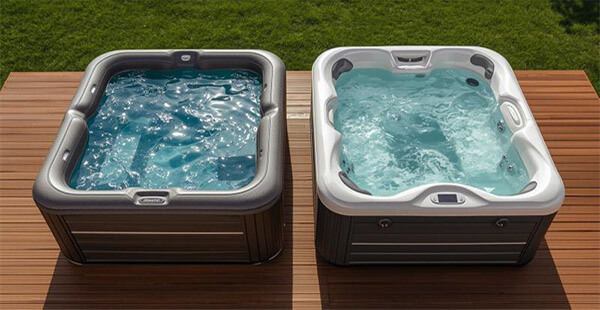
Hot tub prices vary based on size, brand, and features:
- Entry-Level Hot Tubs: $3,000–$8,000
- Luxury Hot Tubs: $10,000+
Additional Costs to Consider:
- Installation: $500–$2,000+
- Electrical upgrades
- Chemicals and cleaning supplies
- Repairs and replacement parts
- Monthly energy usage
Understanding the total cost of ownership is crucial before making a purchase.
How Long Does a Hot Tub Last?
A well-maintained hot tub typically lasts 10–20 years. Longevity depends on:
- Build quality and materials
- Frequency of use
- Maintenance habits
- Prompt repairs
Regular filter replacement, proper water chemistry, and routine inspections can significantly extend the lifespan of your hot tub.
👉 Find the Right Hot Tub Cover for Your Spa
Best Location for a Hot Tub at Home
When choosing a location, consider:
- Accessibility: Easy entry and exit
- Privacy: Shielded from neighbors
- Electrical & Plumbing Access: Ensure proper connections
- Weather Protection: Use a pergola, gazebo, or cover
- Space Clearance: Allow room for safe movement
- Aesthetic Integration: Blend with your yard design
Always check local building codes and HOA regulations before installation.
Best Location for a Hot Tub at Home
Most homeowners spend $100–$500 per year on hot tub chemicals, depending on usage and water care practices. Poor maintenance can lead to higher chemical consumption and increased costs.
What to Look for When Buying a Hot Tub
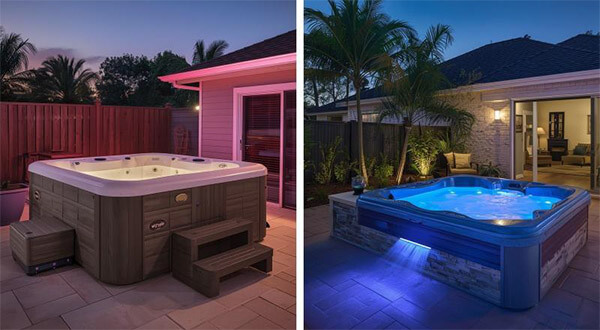
Key factors to consider:
- Size and seating capacity
- Jet quantity and placement
- Ergonomic seating design
- Insulation and energy efficiency
- Build quality and warranty
- Brand reputation and reviews
- Ease of maintenance
Consulting a professional can help you avoid costly mistakes.
Final Thoughts: Is a Hot Tub Worth It?
A hot tub can be a fantastic investment for relaxation, health, and home enjoyment—if chosen wisely and properly maintained.
If you’re buying a home with an existing pool or spa, a professional inspection is essential. Hidden leaks, failing pumps, or electrical issues can cost thousands of dollars after closing.
A certified pool and spa inspection helps protect your investment and ensures your family’s safety before you buy.
👉 Learn why a professional pool and spa inspection matters before purchasing a home
Frequently Asked Questions About Hot Tubs
How much does it cost to run a hot tub per month?
On average, hot tubs cost $20–$60 per month in electricity, depending on insulation quality, usage frequency, climate, and energy rates.
Are hot tubs expensive to maintain?
Routine maintenance is manageable, but neglect can lead to costly repairs. Annual maintenance typically ranges from $300–$800.
Can a hot tub increase home value?
A well-maintained hot tub can increase buyer appeal, especially in higher-end homes, but condition and installation quality matter.
How often should hot tub water be changed?
Most manufacturers recommend draining and refilling every 3–4 months.
✅ Take the Next Step (Free Resources)
📘 Download Our FREE Ebook
Learn how to spot pool leaks early and avoid costly repairs.
▶ Subscribe to Our YouTube Channel
Watch real leak detection cases, pool inspections, and expert tips.
🛒 Visit Our Amazon Storefront
Recommended pool tools, testing equipment, and accessories.