

How to Choose the Perfect Modern Pool for Your Home
A modern swimming pool is a significant home investment and the ultimate backyard centerpiece. Selecting the ideal one demands informed decisions on design, materials, and long-term maintenance.
This guide simplifies the process, exploring diverse pool types, their unique advantages and disadvantages, and clear cost breakdowns. Gain the clarity needed to confidently choose the perfect pool that aligns with your lifestyle and budget.
Understanding the Cost of a New Pool
The first question for most homeowners is, “How much does a pool cost?” The answer varies significantly based on the type, size, materials, and features you choose.
On average, an inground pool can range from $35,000 to over $100,000. This wide range accounts for differences in materials like vinyl, fiberglass, and concrete, as well as added features such as heating, lighting, and automated cleaning systems.
For a more budget-friendly option, above-ground pools typically cost between $3,000 and $10,000. While they are less expensive upfront, they generally have a shorter lifespan and offer fewer customization options than their inground counterparts.
Remember that these figures often don’t include long-term expenses like landscaping, fencing (which is often required by law), and ongoing maintenance.
Above-Ground vs. Inground Pools
Your first major decision is whether to install an above-ground or an inground pool. Each comes with a distinct set of benefits and considerations that cater to different priorities and budgets.
Above-Ground Pools: The Flexible Option
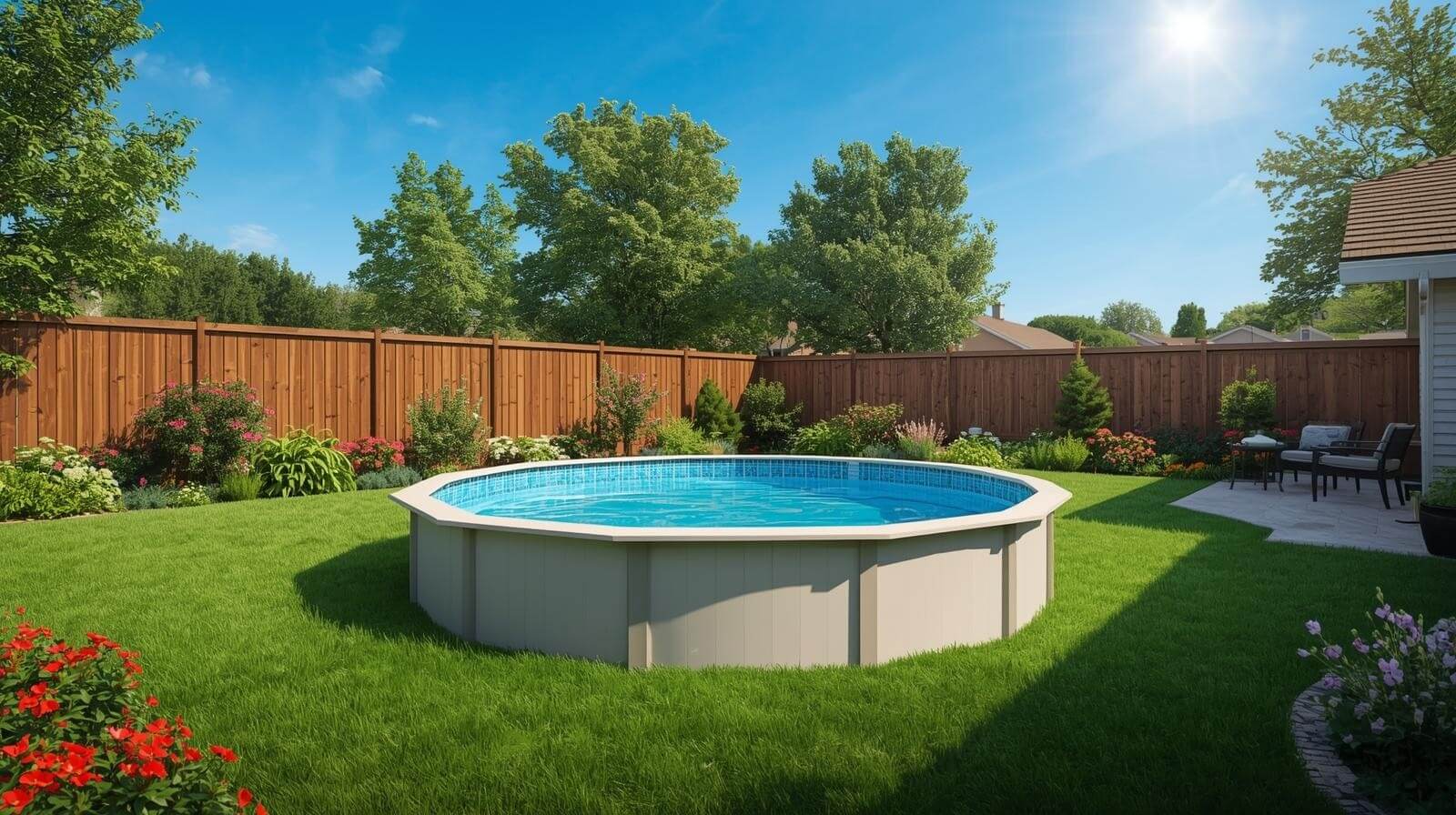
Above-ground pools are an excellent entry-point into pool ownership. They are known for their affordability and straightforward installation process, which can often be completed in just a few days.
- Pros:
- Lower Cost: Significantly less expensive than inground pools, making them accessible to more homeowners.
- Quick Installation: Can be set up quickly, allowing you to enjoy your pool sooner.
- Portability: Some models can be disassembled and moved if you relocate.
- Cons:
- Limited Durability: Generally have a shorter lifespan, often lasting 7 to 15 years.
- Aesthetic Constraints: Offer fewer design and customization options and can be less visually integrated into the landscape.
- Less Depth: Typically have uniform, shallower depths compared to inground pools.
Inground Pools: The Permanent Oasis
Inground pools are a permanent addition to your property, offering superior durability, aesthetics, and potential to increase your home’s value. They are built directly into your landscape, allowing for seamless integration and endless design possibilities.
- Pros:
- Longevity: Built to last for decades with proper maintenance.
- Design Freedom: Fully customizable in terms of shape, size, depth, and features like waterfalls, built-in seating, and lighting.
- Increased Home Value: A well-designed inground pool can be a major selling point and increase your property’s market value.
- Cons:
- Higher Initial Cost: A significant financial investment is required for installation.
- Longer Construction Time: The installation process is more complex and can take several weeks or even months.
- Permanent Structure: Once installed, it cannot be easily moved or altered.
Comparing Inground Pool Materials
If you decide an inground pool is the right choice, your next decision is the material. The three primary options are vinyl liner, fiberglass, and concrete (gunite). Each offers a unique combination of cost, durability, and maintenance requirements.
Vinyl Liner Pools
Vinyl liner pools feature a custom-made sheet of vinyl that sits between the water and the pool structure. It is the most affordable inground option.
Price Range for Vinyl Liner Pools
Vinyl liner pools present an exceptionally cost-effective entry point for inground installations, typically ranging from $25,000 to $45,000, a compelling initial investment balanced by periodic liner replacements averaging $4,000 to $9,000 every 7 to 15 years.
- Pros:
- Lowest Initial Cost: The most budget-friendly inground pool to install.
- Customizable Shape: The liner can be made to fit nearly any shape or size.
- Smooth Surface: The non-porous vinyl surface is smooth to the touch and inhibits algae growth.
- Cons:
- Liner Replacement: The liner typically needs to be replaced every 5 to 9 years, which can be a significant recurring cost.
- Durability Concerns: Liners can be punctured or torn by sharp objects, leading to leaks and necessary repairs.
 Fiberglass Pools
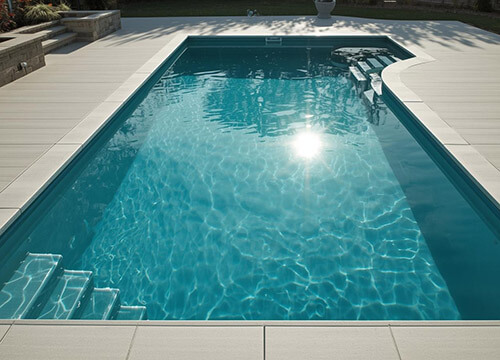 Fiberglass Pools
Fiberglass pools are pre-molded shells manufactured off-site and delivered to your home for installation. They are known for their durability and low maintenance.
Price Range: Fiberglass pools typically range from $25,000 to $60,000, depending on size and features.
- Pros:
- Low Maintenance: The non-porous gelcoat surface resists algae growth and requires fewer chemicals than concrete pools.
- Fast Installation: Once the excavation is complete, the shell can be installed in a matter of days.
- Exceptional Durability: Fiberglass is strong and flexible, resisting cracks that can affect concrete pools.
- Cons:
- Limited Customization: Shapes and sizes are restricted to the manufacturer’s available molds.
- Higher Upfront Cost: More expensive to install than vinyl liner pools.
- Transportation Challenges: Large shells may have difficulty accessing certain properties.
Concrete (Gunite) Pools
Concrete pools, often called gunite pools, are built on-site by spraying a concrete mixture over a framework of steel rebar. This method offers unparalleled design flexibility.
Price Range: Typically ranges from $50,000 to $100,000 or more, depending on the complexity of the design and customization.
- Pros:
- Unlimited Design Potential: Can be built to any shape, size, or depth, allowing for complete creative control.
- Highly Durable: Concrete pools are incredibly strong and built to last for many decades.
- Aesthetic Versatility: The surface can be finished with a variety of materials, including plaster, tile, or pebble aggregate, for a premium look.
- Cons:
- Highest Cost: The most expensive type of inground pool to build and maintain.
- High Maintenance: The porous surface requires more intensive chemical management to prevent algae. It also needs to be acid washed every few years and replastered every 10-15 years.
- Longest Installation Time: The construction process is lengthy, often taking 3 to 6 months.
Make the Right Choice for Your Home
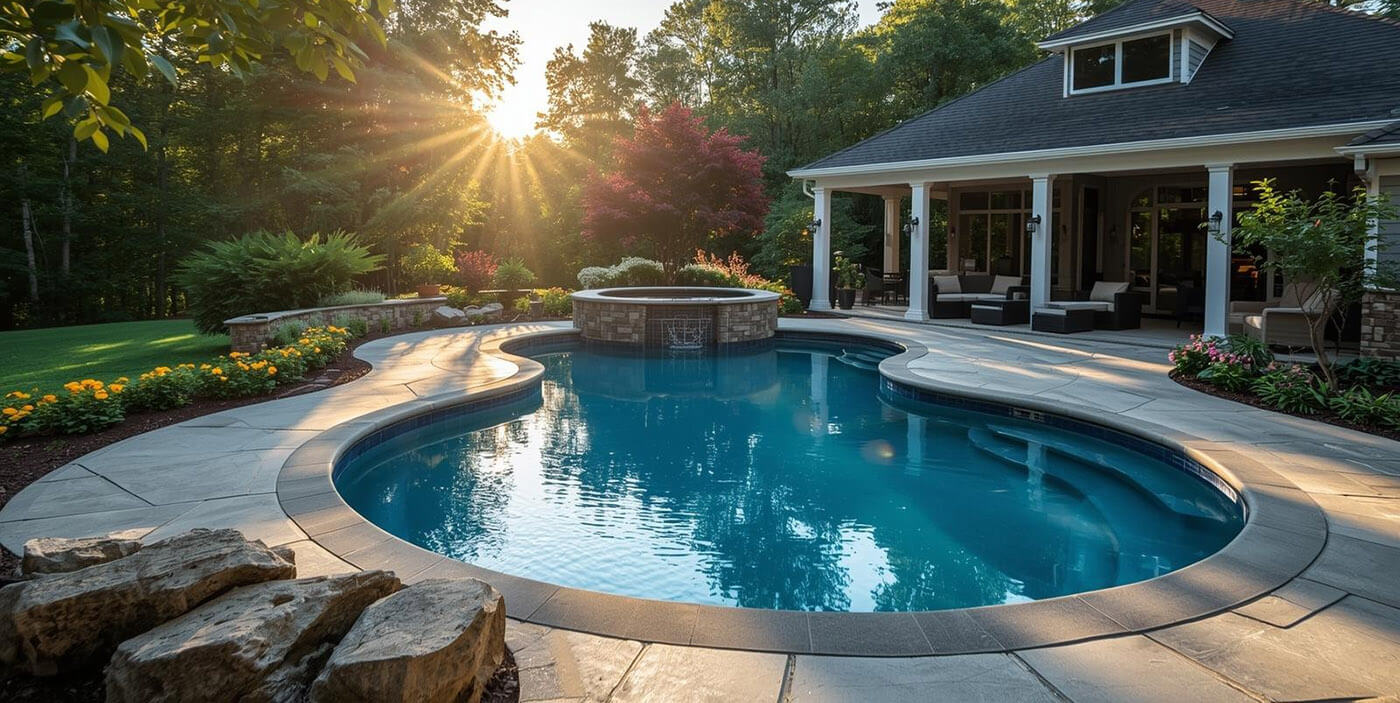
Choosing a swimming pool comes down to cost, materials, and maintenance. Above-ground pools are quick and affordable, while inground pools offer a permanent, customizable retreat.
For inground options, vinyl is budget-friendly, fiberglass requires less maintenance, and concrete provides design flexibility. Consider your budget, style, and upkeep preferences to create your perfect backyard oasis.
For those looking to enhance their backyard even further, consider adding complementary features to elevate your outdoor space. A poolside deck or patio can provide the perfect area for lounging, dining, or entertaining guests.
Incorporate landscape lighting to create a serene ambiance during evening swims, or add water features such as a cascading waterfall or deck jets for a touch of luxury.
If relaxation is your goal, think about including a sauna or spa adjacent to your pool for a year-round retreat.
For families, water slides or play areas can add an extra layer of fun.
By integrating these thoughtful features, your backyard can transform into a multi-functional haven that suits your lifestyle and maximizes enjoyment.