

Is a Pool Leak an Emergency? Here’s What to Know
A small drop in your pool’s water level might seem minor, but it can signal a much larger, costly problem. Pool leaks are often more serious than homeowners realize and can lead to expensive damage if ignored.
This guide will explain the dangers of a pool leak, how to identify an urgent situation, and the immediate steps to take if you suspect a problem.
Download our free eBook on finding a Pool Leak to protect your pool and home from costly damage. Act now!
What Counts as a Pool Leak?
Every pool loses some water to evaporation, especially on hot, sunny days. However, a significant drop in water level often points to a leak.
A simple way to tell the difference is the bucket test. Place a bucket on your pool step and fill it with pool water to match the level outside the bucket. After 24 hours, compare the water levels. If the pool has lost more water than the bucket, you likely have a leak. Delaying repairs allows the problem to worsen, turning a simple fix into a major expense.
Are Pool Leaks Dangerous?
Yes, pool leaks are dangerous. Ignoring one can lead to severe structural, mechanical, and even electrical hazards. Here’s why you need to take them seriously.
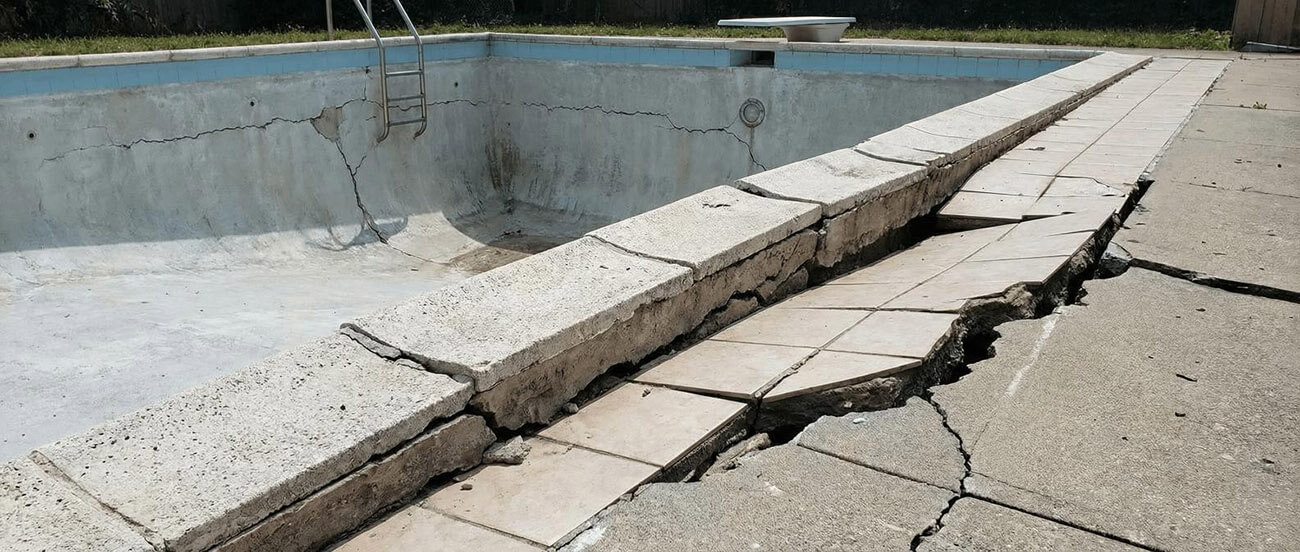
Structural Damage
A persistent leak saturates the soil around and under your pool shell. This erosion can cause the ground to shift, leading to cracks in the pool’s structure or surrounding deck. In severe cases, the entire pool can sink or tilt, causing irreversible damage.
Equipment Damage
When water levels drop too low, the pump can draw in air instead of water, causing it to run dry. This strains the motor, seals, and other components. Air in the system also puts extra stress on the heater, filter, and plumbing, shortening their lifespan and leading to expensive replacements.
Water Chemistry Instability
Constantly adding fresh water to compensate for a leak throws your water chemistry out of balance. This results in pH swings and makes it difficult to maintain proper sanitizer levels. You’ll use more chemicals, yet still struggle with algae growth and cloudy water.
Electrical Hazards
Leaks near electrical components like underwater lights or their conduits are particularly dangerous. Water seeping into these areas can create a serious risk of electrical shock. Any combination of water and electricity requires immediate professional attention.
The Hidden Cost of Ignoring a Pool Leak
A pool leak costs more than just wasted water. Losing just one inch of water from a
standard-sized pool can equate to hundreds of gallons. This leads to significantly higher water and chemical bills. More importantly, what starts as a small repair can escalate into a major renovation project costing thousands if the underlying structural or equipment damage is not addressed quickly.
How Fast Can a Small Pool Leak Get Worse?
A minor leak can become a major issue surprisingly fast. Temperature fluctuations, like
freeze-thaw cycles, can widen small cracks in the pool shell. Similarly, pressure changes within the plumbing system can cause a tiny drip in a pipe to expand into a significant rupture.
When Is a Pool Leak an Emergency?
While any leak needs attention, some situations are emergencies that require an immediate call to a professional. Look for these signs:
- Rapid water loss: Losing more than one inch of water per
- Visible cracks: Obvious cracks in the pool’s plaster, tile, or
- Water around the equipment pad: Puddles or dampness near your pump and
- Air in the pump basket: Constant bubbles visible through the pump
- Pump losing prime: The pump struggles to circulate
- Wet spots in the yard: Unexplained soggy patches of grass near the
- Leaks near light fixtures: Any sign of water near electrical
What to Do If You Suspect a Leak
If you think you have a leak, follow these steps:
- Perform a bucket test to confirm your
- Check the pump and filter for signs of air or visible
- Inspect the ground around the pool for wet
- Look closely at the skimmer, return jets, and waterline tiles for
- Turn off the pool heater as a precaution to prevent
- Contact a leak detection professional to diagnose the problem
Download our free eBook, “How to Find a Pool Leak,” and safeguard your pool and home from expensive repairs. Don’t wait—protect your investment today!
 How Professionals Find and Fix a Leak
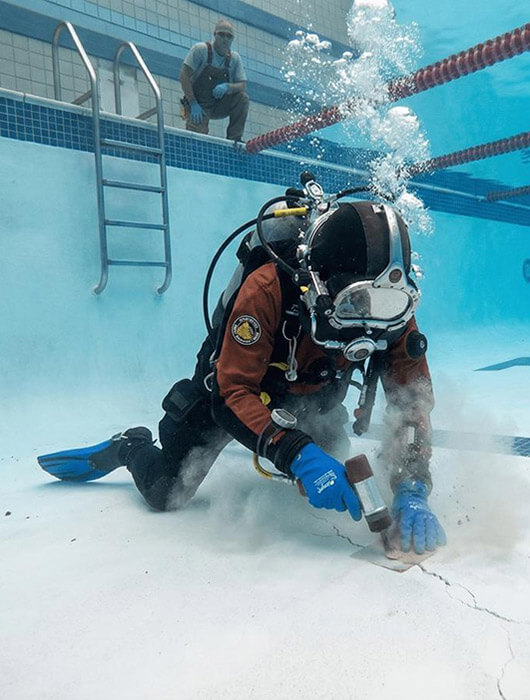 How Professionals Find and Fix a Leak
Professional leak detection specialists use advanced tools to pinpoint the exact source of a leak without unnecessary destruction. This includes:
- Dye Testing: Releasing a special dye near suspected cracks to see where it gets pulled.
- Pressure Testing: Isolating and pressurizing individual plumbing lines to check for pressure drops.
- Diver Inspection: An in-pool inspection of the shell, drains, and
- Electronic Listening Equipment: Using sensitive microphones to “hear” water escaping
After locating the leak, they provide a detailed report and a clear plan for repair.
Don’t Wait — Take Action Now
A pool leak isn’t just an inconvenience—it’s an urgent problem that can damage your property. Ignoring it will only lead to bigger, more expensive issues. Fortunately, most leaks are entirely fixable with professional help.
If you suspect a leak, don’t wait for it to get worse. Protect your investment and get peace of mind.
Contact Us Today for Expert Leak Detection in NY, NJ, CT, and PA
If you’re in the NY, NJ, CT, or PA area and suspect a pool leak, we’re here to help! Don’t wait for the problem to escalate—our expert team provides fast, reliable, and professional leak detection services tailored to your needs.
Call us now at (845) 926-0824 or request a FREE quote to schedule an inspection. Protect your property and enjoy peace of mind knowing your pool is in good hands.
Looking for the right tools?