

Are Variable-Speed Pool Pumps Worth It? Pros, Cons, and Savings
For many pool owners, the pool pump is the second largest energy consumer in the house, right behind the air conditioner. If you are tired of high electricity bills or the constant hum of machinery in your backyard, you might be considering an upgrade.
Variable-speed pool pumps have become the new standard in pool technology, promising massive energy savings and quieter operation. But with a higher price tag than traditional single-speed models, is the investment actually worth it?
This guide breaks down exactly what these pumps are, the pros and cons, and whether the potential pool pump savings justify the upfront cost for your specific setup.
What Is a Variable-Speed Pool Pump and How Does It Work?
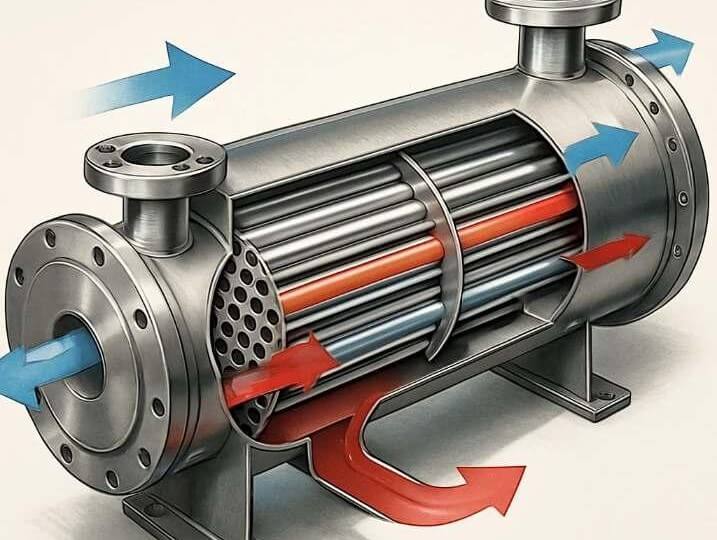
Unlike traditional single-speed pumps that operate at full power (3,450 RPM) every time you turn them on, a variable-speed pool pump allows you to adjust the flow rate. Think of a single-speed pump like a car stuck in fifth gear—it goes fast, but it burns a lot of gas to do simple tasks. A variable-speed pump is like a car with an automatic transmission, shifting gears to use only the energy necessary.
These pumps use permanent magnet motors—the same technology found in electric cars—which creates less friction and heat. Because they can run at lower speeds for filtration and higher speeds for cleaning or water features, they consume significantly less power.
Pros of Variable-Speed Pool Pumps
The shift toward this technology isn’t just a trend; it’s driven by tangible benefits.
- Energy Efficiency: This is the biggest selling By reducing the motor speed by half, you can reduce power consumption to one-eighth of the original draw.
- Quiet Operation: At lower speeds, these pumps are whisper-quiet. You often won’t even hear them running.
- Better Filtration: Running water through your filter more slowly allows the filter media to trap smaller debris more effectively.
- Longer Equipment Lifespan: Because the motor runs cooler and with less vibration, these pumps typically last longer than single-speed alternatives.
- Regulatory Compliance: New Department of Energy (DOE) regulations mean that in many regions, variable-speed pumps are now the only legal option for replacement.
Cons of Variable-Speed Pool Pumps
While the benefits are strong, there are a few downsides to consider before buying.
- Higher Upfront Cost: You will pay significantly more for the unit itself compared to a standard pump.
- Complexity: These pumps require If you are not comfortable with technology, the setup might feel intimidating.
- Overkill for Small Pools: If you have a very small above-ground pool, the return on investment (ROI) might take longer to realize.
How Much Can You Save With a Variable-Speed Pump?
The savings are where the “worth it” question gets answered. An energy-efficient pool pump can save owners anywhere from $300 to over $1,000 per year in electricity costs, depending on local energy rates and pool size.
For a standard residential pool, the pump often pays for itself within the first two years. After that break-even point, the monthly reduction in your utility bill is money back in your pocket.
Variable-Speed vs. Single-Speed Pool Pumps
| Feature | Variable-Speed | Single-Speed |
| Energy Use | Low (Adjustable) | High (Constant) |
| Noise Level | Very Quiet | Loud |
| Upfront Cost | $$$ | $ |
| Long-Term Savings | High | Low |
| Lifespan | Long | Moderate |
Is a Variable-Speed Pool Pump Worth It for Your Pool?
For the vast majority of pool owners, the answer is yes.
If you have a large pool, a spa, waterfalls, or a heater, the ability to control flow rates is essential. Even for standard pools, the energy savings alone make it a smart financial decision. However, if you have a temporary or very small seasonal pool, a cheaper single-speed pump might still suffice if regulations allow.
Explore Variable-Speed Pool Pumps Today
Installation, Programming, and Maintenance Tips
To get the most out of your pump, correct installation is key. While DIY installation is possible, hiring a professional ensures your warranty remains valid.
The most critical step is programming. A common mistake is buying a high-end pump but leaving it on high speed all day. Ensure you program it to run at low speeds for filtration (usually 12+ hours) and high speeds only for short periods when running cleaners or water features.
Rebates, Regulations, and Energy Codes
Because these pumps are eco-friendly, many utility companies offer substantial rebates to encourage upgrading. Before purchasing, check with your local power company—you might get a check back for several hundred dollars, further offsetting the initial cost.
Frequently Asked Questions (FAQ)
Do variable-speed pumps really save money?
Yes. On average, pool owners can save $200 to $700 annually on electricity costs by switching to a variable-speed pump.
How long do they last?
On average, variable-speed pumps typically last between 10 to 15 years. This can vary depending on factors such as usage, maintenance, and water quality.
Can I replace my old pump without changing plumbing?
Usually, yes. Most major brands design their variable-speed units to retrofit easily into existing plumbing setups.
Are they hard to operate?
There is a learning curve to the initial programming, but modern interfaces are user-friendly, and once set, they run automatically.
Final Verdict: Are Variable-Speed Pool Pumps Worth It?
If you plan to own your pool for more than two years, a variable-speed pool pump is absolutely worth the investment. The combination of monthly savings, quieter backyards, and better water quality makes it a superior choice over outdated single-speed models.
Need help choosing the right pump? Contact our team today to find the perfect energy-efficient upgrade for your pool.
Discover Solar Pool Skimmers
Looking for another way to make your pool more energy-efficient? Check out our post on solar pool skimmers! These innovative devices harness the power of the sun to keep your pool clean, saving you time and money while reducing energy use. Don’t miss out—read more to find out how solar skimmers can transform your pool maintenance!