

Can Brushing Your Pool Damage the Liner? The Hidden Risk
Maintaining a pool can be challenging, especially if you own a vinyl liner pool. Vinyl liners are durable, but they require proper care to last.
Did you know that scrubbing too hard or using the wrong pool cleaning tools can damage your vinyl liner? Over time, repeated brushing—particularly in high-stress areas like the wall-floor curve—can wear down the protective coating of the liner.
This gradual thinning can eventually lead to leaks, which are costly to repair. To avoid this, it’s essential to follow a gentle and effective pool cleaning routine.
Check out our YouTube video to see how to avoid costly cleaning mistakes.
Signs Your Liner Is Suffering from “Over-Cleaning”
Because the damage happens slowly, it can be difficult to spot until water starts disappearing fast. However, there are visual and physical cues that your maintenance routine might be too aggressive.
1. Unexplained Water Loss
This is the most alarming sign. If you find yourself topping off the pool more frequently than usual, do not automatically assume it is just evaporation. While evaporation rates vary by climate, significant drops in water level usually indicate a leak. If that leak is coming from the floor-to-wall radius, brushing damage is a prime suspect.
2. Visible Thinning or “Bald” Spots
If your liner has a printed pattern (like a tile border or a mosaic floor), look closely at the high-traffic cleaning areas. If the pattern looks faded or washed out in specific
spots—particularly in corners or on steps—but looks fine elsewhere, this isn’t sun fading. It is an abrasion. You have essentially sanded the ink off the vinyl.
3. Surface Texture Changes
Vinyl should feel relatively smooth. If you run your hand (gently) over an area you frequently brush and it feels rougher or more porous than the surrounding area, the top layer of the liner has been compromised.
4. Bubbles or Wrinkles
When a pinhole leak develops, water can get behind the liner. This disrupts the vacuum seal that holds the liner against the pool structure, leading to floating liners, bubbles, or new wrinkles appearing on the floor.
The Safer Alternative: Robotic Pool Cleaners
If manual brushing is risky, how do you keep the pool clean? The answer lies in automation.
Robotic pool cleaners have evolved from luxury gadgets to essential maintenance tools, especially for vinyl pool owners. Unlike a human using a pole and a stiff brush, a robot operates with a level of consistency and gentleness that protects your investment.
Why Robots Are Safer for Vinyl
● Soft Scrubbing: Most modern robots use soft rubber or foam rollers rather than stiff nylon bristles. These rollers gently agitate the surface to lift algae and debris without sanding down the material.
● Randomized or Algorithmic Paths: Robots don’t scrub the exact same spot with the exact same pressure every single day. Their movement patterns ensure the whole pool is cleaned without creating specific wear zones.
● Suction vs. Friction: Robots rely heavily on powerful suction to remove dirt. They lift debris off the floor rather than grinding it into the surface.
Trusted Robotic Pool Cleaner Options
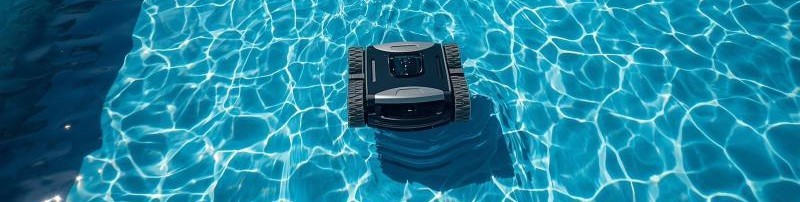
If you are ready to retire your pole and protect your liner, there are several standout options on the market. We have tested many of these to see how they perform specifically on vinyl surfaces.
iGarden
This unit is known for its smart navigation. It maps the pool efficiently, ensuring it doesn’t get stuck in corners (which would cause localized wear). Its debris pickup is strong, making it a great all-rounder.
Wybot
Wybot has built a reputation for reliable performance. It features adaptive cleaning paths, meaning it adjusts its route based on the shape of your pool. This is excellent for avoiding repetitive motion damage.
Aiper
Aiper offers fantastic value for money. These units generally have solid suction power and are very easy to maintain. They are lightweight, which puts less drag on the pool floor.
Buble
If you need speed, the Buble is a strong contender. It offers fast coverage and effective cleaning of both walls and floors, ensuring algae doesn’t have a chance to take root.
BeatBot
This is a versatile cleaner that works well in both inground and above-ground pools. Its comprehensive cleaning cycle ensures the waterline is scrubbed gently but effectively.
Best Practices: How to Brush Without Damage
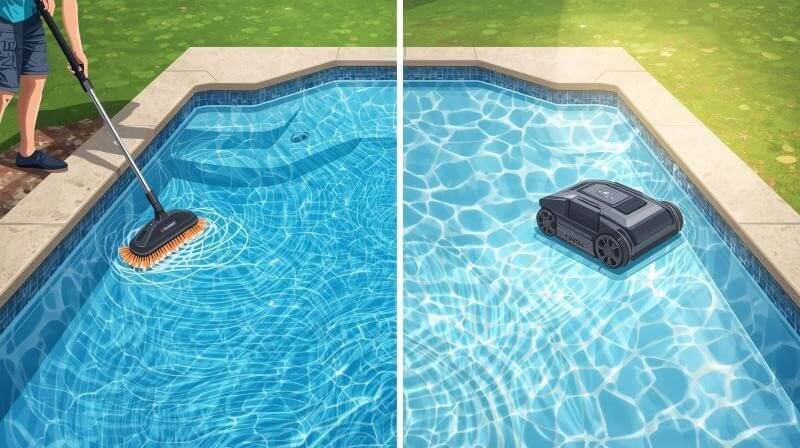
We are not saying you should throw your pool brush in the trash. There are times when manual brushing is necessary, such as when you are dealing with a specific algae bloom or trying to move dirt toward a main drain.
However, if you are going to brush manually, you must do it correctly to minimize risk.
1. Upgrade Your Brush
Never use a stainless steel brush on a vinyl liner. Those are strictly for concrete or gunite pools. Ensure you are using a brush with soft nylon or polypropylene bristles. Even then, inspect the bristles regularly. If they become sharp or bent, replace the brush head.
Shop Liner Friendly Brushes here
2. Change Your Technique
Avoid “scrubbing.” Instead, think of it as “sweeping.” Use long, sweeping strokes to push debris rather than short, back-and-forth scrubbing motions that generate heat and friction.
3. Focus on Low-Risk Areas
Let your robot handle the corners and the floor-to-wall radius. Use your manual brush for the easy-to-reach, flat areas of the walls or the waterline, where you can control the pressure more easily.
Don’t Let a Leak Drain Your Wallet
The worst-case scenario for liner damage is a leak that goes undetected. A small leak can wash away the sand or vermiculite base beneath your liner, leading to structural shifts and massive repair bills.
If you suspect you might already have a leak—whether from brushing or other causes—you need to act fast. We have put together a comprehensive resource to help you diagnose the issue yourself.

FREE Resource: How to Find a Pool Leak
Don’t wait until a small drip becomes a catastrophe. Download our free guide, “How to Find a Pool Leak – Step-by-Step for Pool Owners.” This guide walks you through the bucket test, dye testing, and other professional tricks to pinpoint leaks before they ruin your summer.
Click here to download your FREE guide
Watch the Video for a Full Explanation
Visuals often make these concepts easier to understand. I explain the mechanics of liner damage and demonstrate the difference between manual scrubbing and robotic cleaning in my latest YouTube video.
In the video, “Can Brushing Your Pool DAMAGE the Liner? (Hidden Risk Pool Owners Miss),” I also share deeper insights on the specific robotic cleaners mentioned above, so you can see them in action.
Protect Your Investment
Your pool liner is the most vulnerable part of your swimming pool. While it is designed to hold water, it is not designed to withstand daily abrasion from stiff bristles.
Brushing your pool feels productive, but if done incorrectly, it can slowly destroy the very thing you are trying to maintain. By understanding the risks of repetitive abrasion and switching to a robotic pool cleaner, you are not just saving yourself time—you are extending the life of your pool by years.
Keep your water clean, your liner intact, and your weekends free for swimming.