

Kids Caused 20 Holes in This Pool Liner: A Costly Lesson for Pool Owners
A minor leak can quickly lead to an expensive pool liner replacement. In this case, a vinyl pool liner was punctured over 20 times during everyday pool activity—specifically by the bare, metal edge of a vacuum pole used during play.
While vinyl liners are durable, improper use of maintenance tools or rough equipment can cause significant pool water loss and structural damage.
Learn how these pool leaks happen and how to protect your investment from costly repairs.
Watch our YouTube video to see the shocking damage 20+ holes from playtime can cause a vinyl liner.

How Kids Accidentally Damage Pool Liners
Children rarely intend to damage a pool liner. They are there to have fun, splash around, and enjoy the water. Unfortunately, when children use maintenance equipment—like a pool vacuum pole with an exposed metal edge—for play instead of its intended purpose, it can result in serious punctures.
Here are the most common culprits:
- Improper use of pool equipment: Maintenance poles with bare metal ends can easily puncture vinyl if used roughly or allowed to scrape along the liner.
- Pool toys with hard or sharp plastic edges: Water guns, dive sticks, and rigid floats can scrape against the vinyl.
- Debris carried into the pool: Small rocks, sticks, or sharp items stuck to the bottom of feet can act like sandpaper or spikes against the liner floor.
- Rough play near steps and corners: These areas are high-traffic zones where the liner is often under the most tension.
- Sitting or standing on vulnerable sections: Putting weight on liner sections not designed for it, such as near the bead or in corners, can cause stress tears.
Vinyl liners are flexible, but they are not indestructible. Damage caused by the sharp edge of a vacuum pole is especially dangerous, as a single slip can result in a large, ragged puncture.
Why Multiple Holes from Equipment Cause Major Water Loss
You might think a puncture from a metal pole—while serious—would only be a minor setback in a pool holding thousands of gallons of water. However, each hole can leak gallons per day.
When you multiply that by 20 sizable holes, the water loss compounds quickly.
Unlike a broken pipe, which might cause a sudden and dramatic drop in water level, these leaks are constant and often go unnoticed until water levels drop significantly over a week. Because the holes are numerous and can be in less visible areas, they are harder to identify without proper testing. This slow drain creates a false sense of security until the bill arrives or the pump starts sucking air.
How These Leaks Are Properly Detected
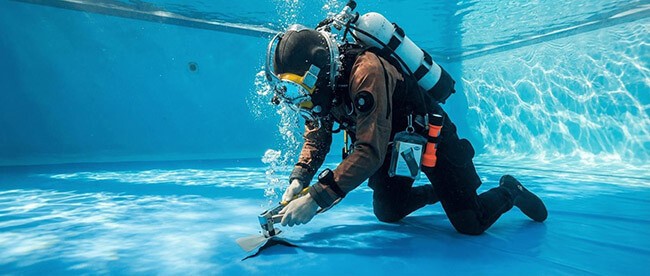
Visual inspections alone are rarely sufficient for this kind of damage, especially if the holes are under folds or hidden from plain sight. In this specific case, we utilized several professional leak detection methods:
- Targeted Dye Testing: This involves releasing a small amount of specialized dye near suspected leak If there is a hole, the dye will be sucked out of the pool, confirming an active leak.
- Close Inspection of High-Risk Areas: We meticulously checked seams, steps, and floor areas, focusing especially on places where the vacuum pole had been used.
- Advanced Electronic Leak Detection: Using specialized equipment, we can locate punctures that are invisible to the naked eye by detecting the electrical current flowing through the leak into the ground.
This systematic approach ensures an accurate diagnosis. Without it, you might patch one hole while leaving nineteen others to continue leaking.
👉 Shop Our Recommended Products: Visit Our Amazon Storefront
Warning Signs Pool Owners Should Never Ignore
Early detection is key to saving your liner and your wallet. Pool owners should act quickly if they notice:
- Ongoing water loss beyond normal evaporation: If you lose more than 1/4 inch of water a day, you likely have a leak.
- Frequent need to add water: If you are filling the pool more often than usual, investigate immediately.
- Air bubbles entering the pump system: This can indicate water levels have dropped below the skimmer, or there is a suction side leak.
- Increased chemical usage: Leaking water takes expensive chemicals with it, making it hard to balance your pool.
- Wrinkles forming in the liner: Water leaking through liner holes, especially those caused by sharp tools, can get behind the liner and shift it out of place.
How to Prevent This Type of Pool Liner Damage
Prevention is far less expensive than repair or replacement. To keep your liner safe during the swim season:
- Teach kids to use pool equipment correctly: Maintenance tools like vacuum poles should be reserved for adults and never used as toys.
- Set clear pool rules: Make sure children and guests understand that sharp objects don’t belong in the pool.
- Check the toys: Avoid toys with rigid or sharp plastic Stick to soft foam or inflatable toys.
- Rinse feet before entering: A simple foot bath or hose rinse can wash away sharp pebbles and sticks.
- Perform routine inspections: Periodically check your liner for scratches or tears, especially where maintenance tools are used.
- Address issues immediately: If you see a tear from a vacuum pole or other equipment, patch it before it grows.
Repair Options: Patch vs. Replacement
Finding 20 punctures sounds disastrous, but it doesn’t always mean you need a new liner.
Patching is effective when holes are isolated and the liner is still pliable and in good condition. Modern vinyl patches can be incredibly durable and are often invisible underwater—even for moderate to large holes caused by equipment.
Replacement may be necessary when the damage is widespread, the liner is old and brittle, or the holes are in structural areas that cannot hold a patch. A professional assessment ensures you make the most cost-effective decision for your specific situation.
Stop the leaks for good. Browse pool repair products to find the perfect sealant or patch kit for your pool.
Key Takeaways for Pool Owners
- Multiple holes from improper use of pool equipment can cause serious water
- Damage due to rough play or misuse of tools like vacuum poles is more common than many owners realize.
- Early leak detection saves money and extends liner
- Professional testing prevents misdiagnosis and ensures all leaks are found.
Frequently Asked Questions
Can kids really cause pool liner leaks?
Yes. Toys, debris, and especially rough or improper use of equipment like vacuum poles with bare metal edges are common causes of large liner punctures.
Can dye testing find every leak?
Dye testing is effective but works best when combined with professional leak detection equipment. It confirms a leak exists in a specific spot, but electronic detection is better for scanning the entire liner.
How many holes can a liner have before replacement is required?
It depends on liner age, location of damage, and overall condition. A professional evaluation is recommended. If the liner is old and brittle, patching 20 holes might just lead to 20 more opening up next week.
Watch the Full Video and Learn More
To see this real case in action, watch the full YouTube video below.
👉 Watch the video: Kids Caused 20 Holes in This Pool Liner
👉 Pool Repair & Maintenance Products: https://amzn.to/4q52Lzq
👉 Need Help in NY,NJ,CT or PA? Contact Pool Leak Detection LLC for professional leak detection services in New York.