

Cold Water Immersion Guide: Benefits, Safety & Protocols
Cold water immersion has evolved from a daring extreme sport ritual to a science-backed cornerstone of modern wellness.
Trusted by elite athletes, biohackers, and recovery specialists, polar plunging offers transformative benefits like improved circulation, reduced inflammation, and enhanced stress resilience.
But to unlock its full potential—and avoid risks—it’s essential to do it safely and consistently.
This guide explores the physiological impacts of cold exposure, safety protocols, and how to optimize your routine for maximum benefit.
What Is a Polar Plunge?
A polar plunge involves immersing your body in water below 59°F (15°C) for a short duration, typically ranging from 30 seconds to 5 minutes.
While the term often conjures images of jumping into icy lakes, modern practitioners frequently use purpose-built cold plunge tubs for controlled, consistent therapy.
Cold water immersion triggers a rapid physiological chain reaction:
● Cold Shock Response: An initial gasp reflex and increased heart rate.
● Vasoconstriction: Narrowing of blood vessels to preserve core heat.
● Vagus Nerve Activation: Stimulation of the parasympathetic nervous system, which plays a key role in stress regulation.
With consistent practice, many individuals report benefits like improved recovery, enhanced mood, and greater metabolic efficiency.
👉Get Your Cold Plunge Tub Today
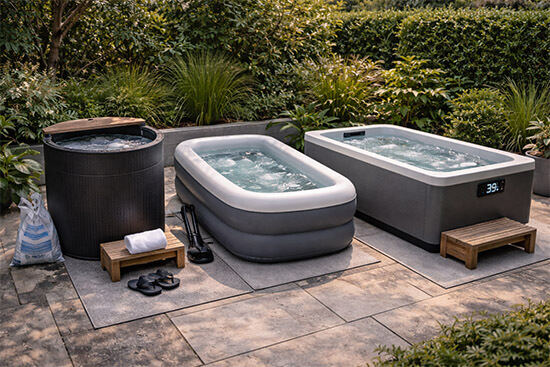
Benefits of Polar Plunging (Cold Water Therapy)
Unlike anecdotal wellness trends, cold water immersion is grounded in physiological science. Here is how strategic cold exposure impacts the body.
1. Improves Circulation and Cardiovascular Health
Cold exposure causes blood vessels to constrict rapidly. Upon exiting the water, vessels dilate, flushing fresh blood through the system. Over time, this vascular training may enhance circulatory efficiency.
A 2014 study published in the Journal of Physiology highlighted how repeated cold exposure can improve vascular function and adaptability.
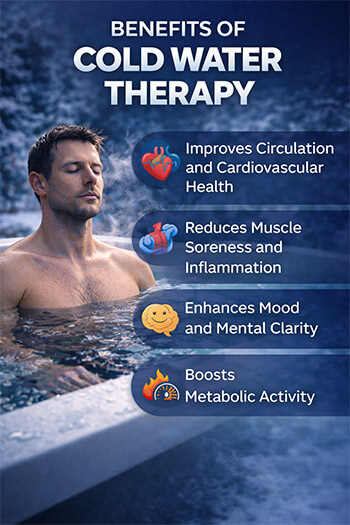
2. Reduces Muscle Soreness and Inflammation
Athletes commonly use ice bath recovery to reduce delayed onset muscle soreness (DOMS). The cold minimizes inflammation and tissue swelling after intense workouts.
Research in the Scandinavian Journal of Medicine & Science in Sports found that cold water immersion significantly reduces muscle soreness and accelerates recovery in athletes.
3. Enhances Mood and Mental Clarity
Cold exposure stimulates a massive release of neurotransmitters.
Clinical studies have shown that short-term cold water immersion can increase norepinephrine levels by up to 200–300%, contributing to improved mood, focus, and alertness.
Additionally, activating the vagus nerve may help regulate stress and improve emotional resilience.
4. Boosts Metabolic Activity
Cold immersion activates brown fat (brown adipose tissue), which burns calories to generate heat.
A study in the journal Cell Metabolism demonstrated that cold exposure increases BAT activity, which may support metabolic health.
While not a magic weight-loss solution, it complements metabolic conditioning and a healthy lifestyle.
Cold Plunge vs Ice Bath vs Cold Shower
When it comes to cold exposure therapy, there are several methods to choose from. Here is a quick comparison to help you decide which option suits your needs:
| Method | Temperature | Convenience | Best For |
| Cold Shower | 50–60°F | Very High | Beginners building tolerance |
| Ice Bath | 35–45°F | Moderate | Athletes needing acute recovery |
| Cold Plunge Tub | Adjustable | High | Consistent long-term use |
Key Takeaways:
● Cold Showers: Ideal for beginners due to their accessibility. They are excellent for building mental fortitude but often lack the full-body hydrostatic pressure of immersion.
● Ice Baths: Commonly used by athletes for ice bath recovery. However, they require significant preparation (sourcing ice) and maintaining consistent temperatures is difficult.
● Cold Plunge Tubs: Offer precise temperature control and convenience, making them the best option for consistent cold exposure therapy. They are an investment but provide the most reliable experience.
Who Benefits Most from Cold Water Immersion?
Cold water immersion isn’t a one-size-fits-all practice, but it offers unique benefits for specific groups:
● Athletes: Seeking faster recovery and reduced muscle soreness through targeted ice bath recovery.
● High-Performers: Individuals looking to enhance stress adaptation and activate the vagus nerve for better emotional resilience.
● Metabolic Health Enthusiasts: Those exploring brown fat activation and improved metabolic conditioning.
● Biohackers: Anyone optimizing resilience, mental clarity, and overall wellness through cutting-edge practices like the Wim Hof method.
Ready to experience these benefits consistently?
A temperature-controlled cold plunge tub eliminates the guesswork of ice baths and delivers reliable, repeatable results.
👉Find Your Ideal Cold Plunge Tub
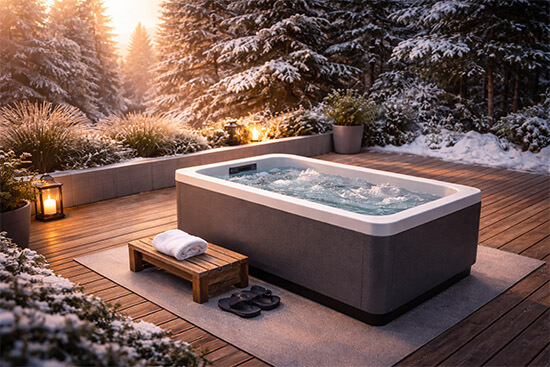
Cold Plunge + Sauna: The Power of Contrast Therapy
Combining a cold plunge with a sauna session—known as contrast therapy—is a powerful way to amplify the benefits of both heat and cold exposure. This practice alternates between hot and cold environments to create a “pumping” action in the circulatory system.
Benefits of Contrast Therapy
● Circulatory Conditioning: Rapid dilation and constriction of blood vessels improve vascular elasticity.
● Lymphatic Movement: The temperature shifts stimulate lymphatic drainage, helping to remove metabolic waste.
● Stress Adaptation: Exposure to both extremes challenges the body’s thermoregulation systems, enhancing overall resilience.
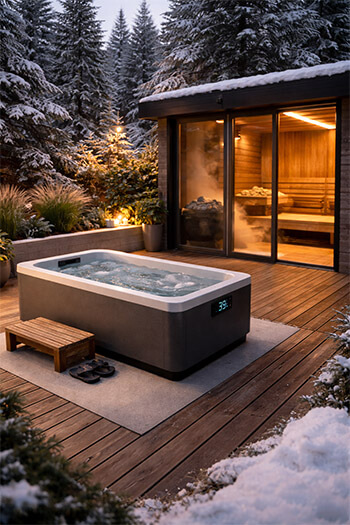
How to Practice Contrast Therapy
1. Heat: Spend 10–15 minutes in a sauna or steam room to elevate core temperature.
2. Cold: Transition immediately to a cold plunge for 1–3 minutes.
3. Repeat: Alternate for 2–3 rounds, always ending with cold for maximum metabolic benefit.
Ready to complete your contrast therapy setup? Pair your cold plunge with a high-quality home sauna and experience the full power of heat and cold recovery.
Pair your cold plunge tub with a premium sauna for a complete contrast therapy experience.
Frequently Asked Questions About Polar Plunging

How long should you stay in a cold plunge?
Beginners should start with 30–90 seconds. Most physiological benefits occur within 2–3 minutes.
Staying beyond 5 minutes offers diminishing returns and increases the risk of hypothermia.
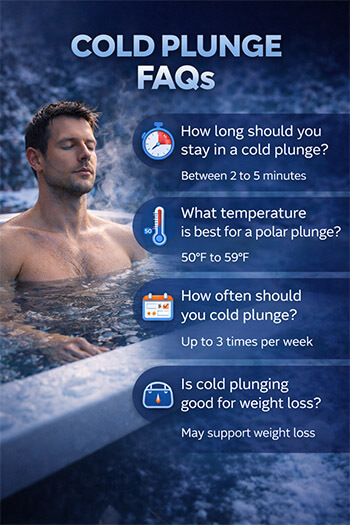
What temperature is best for a polar plunge?
The ideal therapeutic range is 39°F–59°F (4°C–15°C).
Beginners should start closer to the higher end (around 55°F–59°F) to acclimate gradually before dropping the temperature.
How often should you cold plunge?
For most people, 2–4 times per week is sufficient to experience the benefits.
Daily exposure may be suitable for experienced users, but it is important to listen to your body to avoid overstressing your system.
Is cold plunging good for weight loss?
Cold exposure activates brown adipose tissue (BAT), which burns calories to generate heat.
However, it should complement—not replace—a healthy diet and regular exercise.
Take the Plunge: Conclusion
Cold water immersion isn’t just about enduring discomfort—it’s about harnessing strategic stress exposure to build resilience, enhance recovery, and optimize both body and mind.
Research shows that even short sessions of cold exposure can have profound effects:
● Average Cold Exposure Time: Studies suggest that 2–3 minutes of cold water immersion is optimal for most benefits.
● Heart Rate Increase: The cold shock response can elevate heart rate significantly, improving circulation and oxygen delivery.
● Brown Fat Activation: Cold exposure can increase brown adipose tissue (BAT) activity, boosting calorie burn and metabolic health.
● Athletic Recovery: Cold water immersion has been shown to reduce muscle soreness and recovery time, making it a favorite among elite athletes.
When practiced safely and consistently, cold water immersion can become a cornerstone of your wellness routine, supporting mental clarity, metabolic conditioning, and stress adaptation.
Ready to take the plunge? Explore high-performance cold plunge tubs designed for precision, durability, and ease of use. Elevate your recovery and resilience with a system built to support your long-term wellness goals.
 Suspect your pool is losing water?
 Suspect your pool is losing water?
Download our FREE Pool Leak Detection Ebook and learn how to spot leaks early, perform simple at-home tests, and know when it’s time to call a professional.
Stay Connected for More Pool Tips
Follow us for expert advice on pool maintenance, leak detection, and backyard safety.
- YouTube: Pool Leak Detection LLC
- Instagram: @poolleakdetectionllc
- Facebook: Pool Leak Detection LLC
- Pinterest: Pool Leak Detection LLC
- LinkedIn: Chris Ilias