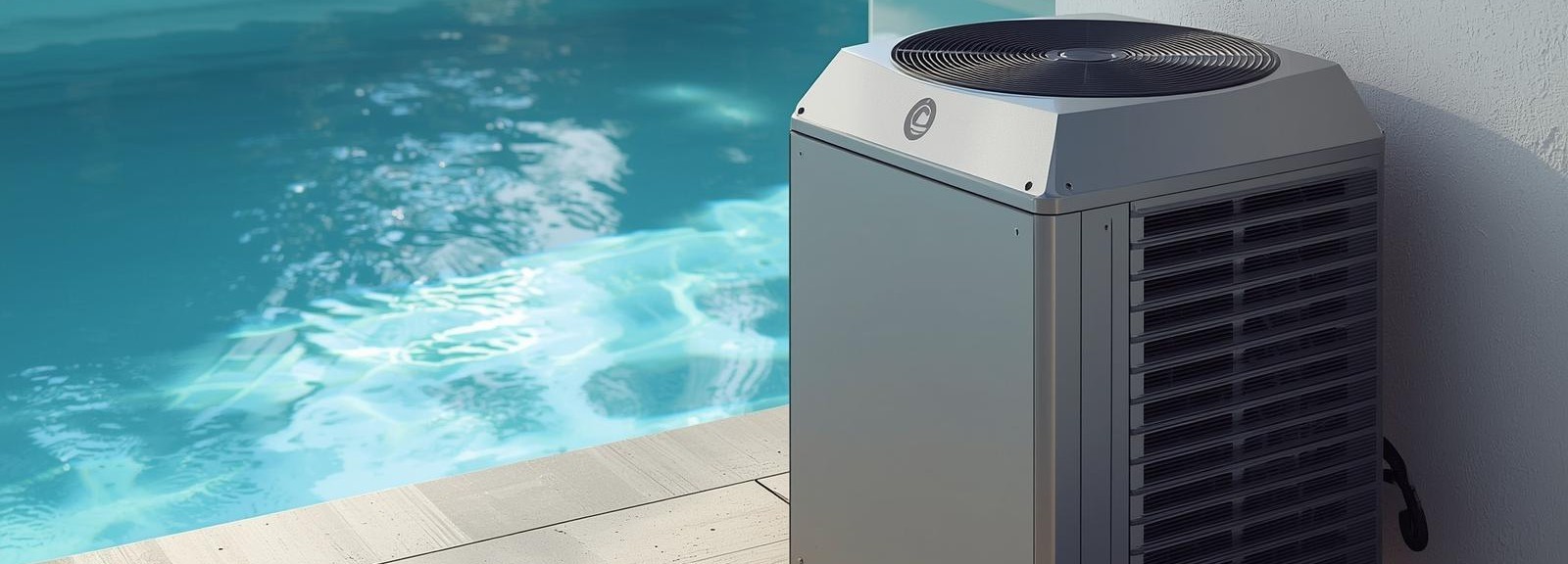

Energy-Efficient Pool Heat Pumps: What You Need to Know
A cold pool can quickly ruin your fun, and traditional heaters mean high energy bills. An energy-efficient pool heat pump offers a smart, sustainable way to keep your pool at the perfect temperature.
A pool heat pump is an excellent investment if you’re looking for a cost-effective way to extend your swimming season. This guide covers how they work, the benefits they offer, and what to look for when choosing one.
How Do Pool Heat Pumps Work?
Unlike traditional gas or electric resistance heaters that generate heat directly, a pool heat pump operates on a much more efficient principle. It doesn’t create heat; it moves it. Think of it as a reverse air conditioner.
Here’s a simple breakdown of the process:
1. Air Intake: A fan draws in warm ambient air from the surrounding environment.
2. Heat Transfer: This warm air passes over an evaporator coil containing a liquid refrigerant. The heat from the air is absorbed by the refrigerant, causing it to turn into a gas.
3. Compression: The gas is then pumped into a compressor, which significantly increases its temperature.
4. Heat Exchange: This superheated gas flows through a heat exchanger. As your pool water is pumped through the exchanger, the heat from the gas is transferred to the water, warming it up.
5. Cycle Repetition: The refrigerant cools down, returns to its liquid state, and flows back to the evaporator coil to start the process all over again.
Because heat pumps transfer existing heat rather than creating it from scratch, they are incredibly energy-efficient. They can produce up to six units of heat for every single unit of electricity they consume.
Benefits of an Energy-Efficient Pool Heat Pump
Cost Savings
Heat pumps cost less to operate than gas heaters, offering significant long-term savings despite a higher upfront cost.
Energy Efficiency
With a high Coefficient of Performance (COP), heat pumps provide up to 6 kWh of heat for every 1 kWh of electricity, far outperforming other heating methods.
Durability
Built to last 10-20 years, heat pumps have fewer moving parts and no combustion, reducing wear and tear.
Eco-Friendly
Heat pumps consume less energy, produce no on-site emissions, and help lower your carbon footprint.
Reliable Performance
They maintain consistent temperatures automatically, with many models offering digital controls and smart features for easy management.
Choosing the Right Pool Heat Pump
Pool Size
Larger pools need heat pumps with higher BTU ratings to heat effectively. Undersized units run constantly, wasting energy and struggling to maintain temperature.
Local Climate
Heat pumps work best in temperatures above 50°F (10°C). In colder regions, consider a larger unit or a hybrid system with a gas heater for chilly months.
Efficiency (COP)
Look for a COP rating of 5.0 or higher for better efficiency and lower operating costs. While high-COP models cost more upfront, they save money in the long run.
Desired Temperature
If you prefer warmer water (85-90°F), opt for a more powerful pump. Cooler preferences (78-82°F) may require less power. Select based on your family’s needs.
Maximize Your Heat Pump’s Efficiency
Keep your pool heat pump running at its best with these tips:
- Use a Solar Pool Cover: Prevent up to 70% heat loss and reduce heating
- Run During Warm Hours: Operate during the warmest part of the day for better
- Ensure Airflow: Keep the area around the pump clear for proper
- Maintain Regularly: Clean coils, check the fan, and follow the manufacturer’s maintenance schedule.
Ready for a Warmer Pool?
Energy-efficient pool heat pumps offer reliable warmth, lower energy bills, and a smaller environmental footprint. Explore our range of high-efficiency models and extend your swimming season with ease.