

10 Common Pool Problems – How to Fix Each One Fast
Owning a pool is great for summer but comes with challenges like cloudy water, water loss and equipment problems.
This guide covers 10 common pool issues, their causes, and solutions—from DIY fixes to knowing when to call a pro—so you can keep your pool in top shape all season.
Common Pool Problems and Solutions
Here are ten common issues pool owners face and what you can do about them.
1. Cloudy or Murky Water
Cloudy water is often caused by a chemical imbalance, poor filtration, or environmental debris. It not only looks uninviting but can also harbor bacteria.
- Solution: First, test and balance your pool’s chemistry, paying close attention to chlorine and pH levels. “Shock” the pool with a high dose of chlorine to kill algae and bacteria. Run your filter continuously for 24-48 hours and use a Pool Clarifier to help clump fine particles together for easier filtration.
- DIY Potential: This is a common issue that most pool owners can handle themselves.
- Cost to Fix: A shock treatment and clarifier typically cost between $20 and $50.
- Cost if Ignore the Issue: Ignoring the problem can lead to costly Algae growth may stain pool walls and damage the filtration system, costing $500–$1,000 or more. Untreated water also poses health risks and might require a full pool draining, adding to expenses.
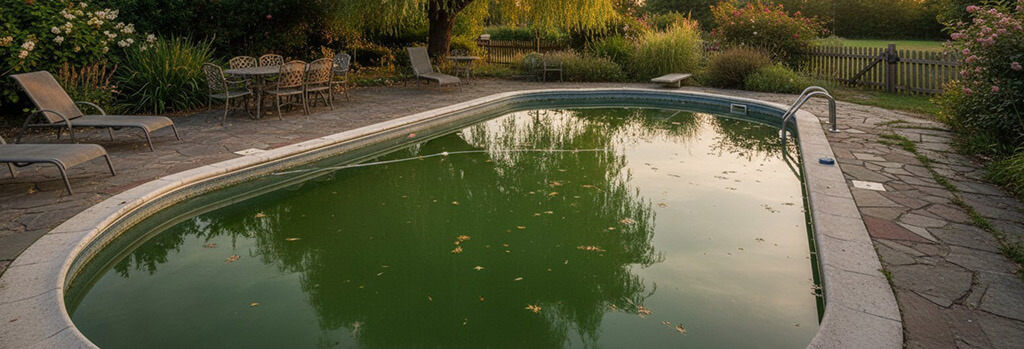
2. Green Water (Algae Growth)
Green water is a clear sign of an algae bloom, usually caused by low chlorine levels, high pH, or a dirty filter.
- Solution: Shock the pool heavily to kill the algae. After shocking, brush the pool walls and floor to dislodge any attached Run the filter until the water is clear, and clean the filter afterward. An Algaecide can be used for persistent problems.
- DIY Potential: With the right chemicals and some elbow grease, this is a manageable task.
- Cost to Fix: Expect to spend $30-$70 on shock and algaecide.
Cost if Ignored: Algae growth can damage pool surfaces, clog filters, and make the pool unusable. Repairs and cleaning may exceed $1,000, and algae can harbor harmful bacteria, risking swimmer health.
3. Pool Pump Not Working
If your Pool Pump isn’t running, it could be due to a loss of power, a tripped breaker, a clogged impeller, or motor failure.
- Solution: Check the breaker and ensure the pump is receiving If it’s humming but not starting, the impeller might be clogged. For motor issues, it’s best to call a professional.
- DIY Potential: Low to Simple power issues can be fixed easily, but motor repairs require professional expertise.
- Cost to Fix: Varies. A simple clog fix is free, but a new motor can cost $300-$1000.
4. Pool Heater Not Heating
A faulty Heater can be due to a dirty filter, low water flow, or an issue with the pilot light or ignition system.
- Solution: Ensure the filter is clean and water is flowing Check that the heater is on and the thermostat is set correctly. If it’s a gas heater, check the pilot light. Electrical issues are best left to a technician.
- DIY Potential: Due to the complexity and safety risks, heater repairs should be handled by a professional.
- Cost to Fix: $150-$1000+, depending on the part that needs replacing.
5. Leaking Pool
Leaks can occur in the pool’s structure, plumbing, or equipment. They can lead to significant water loss and damage to the surrounding area.
- Solution: Use the Bucket Test to confirm a leak. If you suspect a leak, inspect the equipment pad for drips and visually check the pool liner for For underground plumbing leaks, you’ll need a professional leak detection service.
- DIY Potential: Pinpointing and repairing leaks, especially underground ones, is a job for experts.
- Cost to Fix: Leak detection services start around $250. Repairs can range from a few hundred to several thousand dollars.
6. Clogged Filter
A clogged filter reduces water circulation, leading to cloudy water and putting strain on your pump.
- Solution: Clean or backwash your filter according to the manufacturer’s Cartridge Filters may need to be soaked in a filter cleaner, while sand filters require backwashing.
- DIY Potential: Filter cleaning is a routine maintenance task.
- Cost to Fix: A cartridge filter cleaner costs around $15.
- If Not Fixed: If a clogged filter is not addressed, it can lead to poor water quality, increased strain on the pump, and even pump failure over time. This could result in costly repairs or the need for pump replacement, which can easily run into hundreds or thousands of dollars. Additionally, neglected filtration issues can create an unhealthy swimming environment due to bacteria and algae growth.
7. High Chlorine Smell
A strong chlorine smell, contrary to popular belief, is caused by chloramines—a compound formed from chlorine reacting with sweat and oils—not too much chlorine.
- Solution: Shock the This process, also known as superchlorination, breaks down the chloramines and restores your free chlorine levels.
- DIY Potential:
- Cost to Fix: $15-$30 for a bag of pool
- Cost if Do Not Fix: If left unresolved, high chloramine levels can cause skin and eye irritation for swimmers and lead to a strong odor that deters pool use. Additionally, it can result in long-term damage to pool equipment and surfaces, potentially costing hundreds or even thousands of dollars to repair or replace.
8. Stains on Pool Surfaces
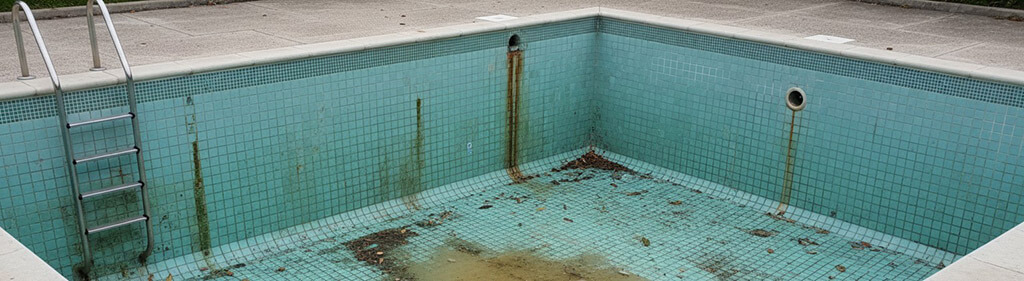
Stains can be organic (from leaves, algae) or metallic (from corroded pipes or equipment).
- Solution: Identify the type of Organic stains often respond to shock treatment. Metallic stains may require a special Stain-Removing product or acid washing.
- DIY Potential: Simple organic stains are easy to remove, but tougher metallic stains might need professional help.
- Cost to Fix: Stain removers cost $20-$40. Professional acid washing can be $400 or
- If You Do Not Repair: Untreated stains can permanently discolor the pool surface. Organic stains may contribute to algae growth. Metallic stains become harder to remove and can cause lasting damage, reducing aesthetics and property value.
9. Foamy Water
Foam is usually caused by high levels of organic compounds, lotions, oils, or certain algaecides.
- Solution: Use a Foam-Removing chemical and shock the pool to break down organic
- DIY Potential:
- Cost to Fix: An anti-foam product costs about $15-$35
10. Low Water Level
Evaporation is normal, but a rapid drop in water level likely indicates a leak.
- Solution: Perform the bucket test to determine if the water loss is from a leak or evaporation. If it’s a leak, follow the steps outlined in problem #5.
- DIY Potential: Low for leak
- If Ignored: If the water level is too low, it can damage your pool’s pump and filter, leading to overheating and costly repairs. It can also cause structural damage like cracks in the pool’s walls and floor.
Recommendation: An Autofill System keeps your pool’s water level consistent by automatically replacing water lost to evaporation or splashes. It prevents damage from low water levels, saves time, and adds convenience. Installation typically costs $150–$300, depending on the system.
Keep Your Pool Sparkling
Regular maintenance is the best defense against common pool problems. By staying on top of your pool’s chemistry, cleaning your filter, and addressing issues as soon as they appear, you can ensure your pool remains a safe and inviting oasis.
While many problems have simple DIY fixes, don’t hesitate to call a pool professional for more complex issues involving leaks or equipment repair. A small investment in professional help can prevent costly damage down the road.
Frequently Asked Questions (FAQ)
Why does my pool keep turning green?
A green pool is often caused by algae growth, which can result from imbalanced water chemistry or insufficient sanitizer levels. To resolve this, test and adjust the water’s pH and chlorine levels, and consider adding an algaecide. Regular cleaning and proper filtration are also essential to prevent algae from returning.
How often should I shock my pool?
Generally, you should shock your pool once a week or after heavy usage, such as a pool party, to maintain clean and clear water. However, frequency may vary depending on factors like water temperature, usage, and weather conditions. Always follow your pool shock product’s instructions for the best results.
What’s the fastest way to clear cloudy pool water?
To quickly clear cloudy water, begin by testing and balancing your pool’s chemical levels, especially chlorine, pH, and alkalinity. Ensure your filter is clean and running properly, as inadequate filtration can contribute to cloudiness. Using a pool clarifier or flocculant can also help clump fine particles together, making them easier to filter or vacuum out.
How do I prevent pool leaks?
Preventing pool leaks starts with regular inspections of your pool’s structure, plumbing, and equipment. Look for cracks, worn-out seals, or areas of moisture around your pool. Maintaining balanced water chemistry can also help preserve surfaces and prevent deterioration. If you suspect a leak, addressing the issue promptly with a professional inspection can save you from more extensive repairs later.