

Top 30 Swimming Pool FAQs: Your Complete Guide for New Pool Owners
Owning a pool is fun, but maintenance is key. How do you keep the water clear?
This guide covers 30 common swimming pool faqs (frequently asked questions), including water chemistry, cleaning, and equipment care, so you can enjoy a safe, sparkling pool all season.
Keep your pool perfect with our Amazon Storefront! Find cleaning tools, test kits, filters, and more—shop now!
Water Chemistry & Testing
Maintaining the right chemical balance is the most important part of pool care. It ensures the water is safe, clean, and comfortable for swimmers.
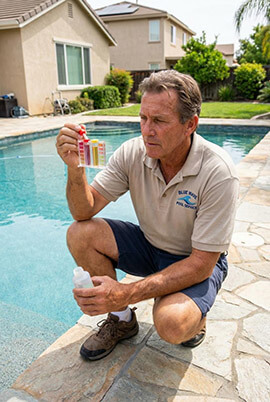
How often should I test my pool water?
You should test your pool water at least 2–3 times per week during the swimming season. Focus on chlorine, pH, alkalinity, and cyanuric acid (CYA). Test more frequently after heavy rain or high usage.
1. What is the ideal chemical balance for a pool?
- Free Chlorine: 1–3 ppm
- pH: 4–7.6
- Total Alkalinity: 80–120 ppm
- Calcium Hardness: 200–400 ppm
- Cyanuric Acid (CYA): 30–50 ppm
2. How often should I shock my pool?
Shock your pool once a week to eliminate contaminants. You should also shock it after heavy rain, high bather loads, algae blooms, or if a pet swims in the pool.
3. Why is my pool water cloudy?
Cloudy water is a common issue with several potential causes:
- Low sanitizer (chlorine)
- Poor filtration or a dirty filter
- High pH or alkalinity
- Early-stage algae growth
To fix it, balance your chemicals, shock the pool, and ensure your filtration system is clean and running properly.
Design Your Dream Outdoor Kitchen
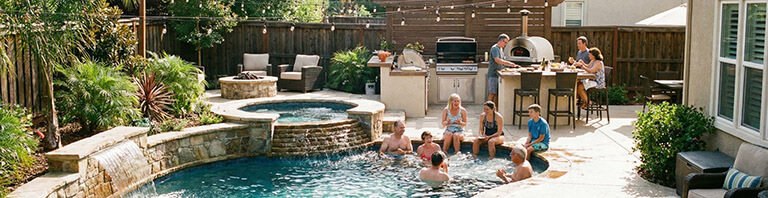
Transform your backyard into the ultimate entertaining space with a custom outdoor kitchen. From stylish grills to functional countertops, the possibilities are endless. Start planning your perfect setup today!
1. Why is my pool green?
Green water is a clear sign of an algae bloom. This is usually caused by low chlorine levels, poor water circulation, or imbalanced pH. To fix it, shock the pool heavily, brush all surfaces, and run the pump continuously until the water is clear again.
2. Can I use household bleach in my pool?
Yes, but with caution. You can use plain, unscented household bleach that contains at least 6% sodium hypochlorite. You must calculate the correct dosage for your pool size, as it’s less concentrated than pool shock.
3. Is it safe to swim with low chlorine?
No. Low chlorine levels allow harmful bacteria and algae to grow, which can cause skin irritation, ear infections, and other health issues. Always maintain chlorine within the recommended 1–3 ppm range.
4. Can rainwater damage my pool chemistry?
Yes. Heavy rain is acidic and can lower your pool’s pH and dilute other chemicals. It can also wash contaminants and algae spores into the water. Always test your water after a significant storm.
5. How do I prevent algae growth?
- Maintain proper chlorine levels at all
- Run your pump for 8–12 hours
- Brush the pool walls and floor
- Keep filters
- Use an algaecide as a preventive
Equipment & Maintenance
Your pool’s equipment is the heart of its circulation and filtration system. Proper maintenance keeps everything running smoothly and extends the life of your gear.
Shop high-quality pool equipment today for a hassle-free pool experience!
10. How often should I run my pool pump?
Run your pool pump for 8–12 hours per day. The goal is to turn over the entire volume of your pool water at least once. In hotter climates or during heavy use, you may need to run it longer.
11. How often should I clean my filter?
This depends on your filter type:
- Cartridge Filter: Clean every 4–6
- Sand Filter: Backwash when the pressure gauge reads 8–10 PSI above the clean
- E. Filter: Backwash and recharge with new D.E. powder every 4–6 weeks. All filters should also get a deep cleaning at least once a year.
12. When should I replace my pool filter media?
- Filter Cartridges: Every 2–3
- Filter Sand: Every 5–7
- E. Grids: Every 7–10 years.
13. Why does my pump have air bubbles in it?
Air bubbles in the pump basket usually signal an air leak on the suction side of the system. Common culprits include a low water level, a loose pump lid, a bad o-ring, or a crack in the skimmer line.
14. Do I need a pool heater?
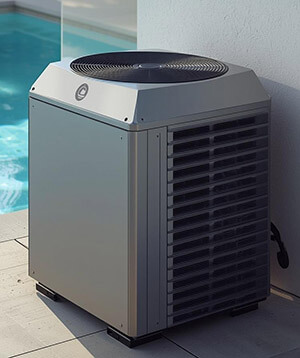
A heater isn’t essential, but it can significantly extend your swimming season, especially in cooler climates.
Heat pumps are the most
energy-efficient option for maintaining a consistently warm temperature.
Check out our article on
Energy-Efficient Pool Heat Pumps and save money and energy!
15. How warm should my pool be?
- Recreational Swimming: 78–82°F (25–28°C)
- Children: 82–85°F (28–29°C)
- Therapy or Exercise: 86–88°F (30–31°C)
Pool Structure & Cleaning
Keeping the pool structure clean and in good repair prevents bigger, more expensive problems down the road.
16. How often should I brush my pool?
Brush the walls, steps, and floor of your pool at least once a week. Brushing dislodges dirt and algae, preventing them from taking hold and staining surfaces.
17. How often should I vacuum my pool?
Vacuum your pool weekly to remove debris that settles on the bottom. You may need to vacuum more often after storms or heavy use. Robotic pool cleaners can automate this task for you.
Save time with durable pool vacuums, including robotic options that clean for you. Shop here.
18. What causes stains in a swimming pool?
- Organic Stains: Caused by leaves, berries, or They are typically greenish-brown.
- Metal Stains: Caused by copper (blue-green), iron (rusty brown), or manganese (black).
- Scaling: White, crusty deposits caused by high calcium hardness or
19. How do I know if my pool is leaking?
Signs of a leak include losing more than ¼ inch of water per day, wet spots in the yard around the pool, cracks in the pool deck, and constantly needing to add chemicals. The bucket test is a simple way to confirm a leak.
Think you might have a pool leak? Don’t stress. Check out our guide on the top 7 places pool leaks hide and learn how to stop them in their tracks
20. What is the lifespan of a vinyl liner?
A vinyl liner typically lasts 8–12 years. Its lifespan is affected by water chemistry, UV exposure, and how it’s used.
21. How long does a fiberglass pool last?
With proper care, a fiberglass pool shell can last 25–30 years or more. They are highly durable and resistant to algae.
Want to know more about the benefits, maintenance, and overall performance of fiberglass pools? Check out our comprehensive guide, Fiberglass Pools: Everything You Need to Know, and discover why they are a top choice for many pool owners!
22. How often should a pool be resurfaced?
Concrete or plaster pools generally need to be resurfaced every 8–12 years, as the surface can become rough, stained, or cracked over time.
23. Should I close my pool for the winter?
If you live in a climate where temperatures drop below freezing, yes. Properly winterizing your pool protects the plumbing and equipment from freeze damage and makes for an easier opening in the spring.
24. What is the best type of pool cover?
- Safety Covers: Provide a solid barrier to prevent accidents and keep debris out during the offseason.
- Solar Covers: Look like bubble wrap and are used during the swimming season to retain heat and reduce water Learn more about how solar covers can save energy.
- Automatic Covers: Offer the ultimate convenience for both safety and cleanliness at the touch of a button.
Transform Your Poolside Experience with Stylish Loungers
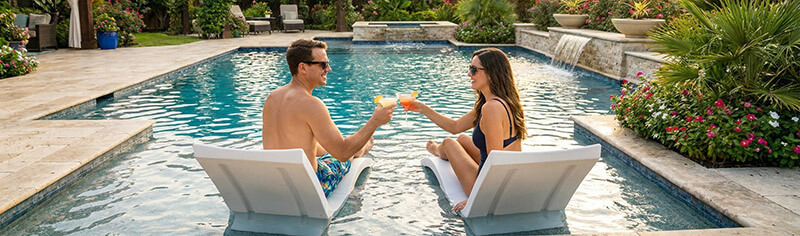
Relax by the pool in style with our premium loungers! Perfect for sunbathing or unwinding, they’re a must-have for your outdoor space. Shop Now
General Questions
Here are a few final tips and answers to common questions about pool ownership.
25. What type of pool is easiest to maintain?
Fiberglass pools are generally considered the easiest to maintain. Their non-porous surface resists algae growth and they don’t require resurfacing or liner replacements.
26. Is a saltwater pool easier than a chlorine pool?
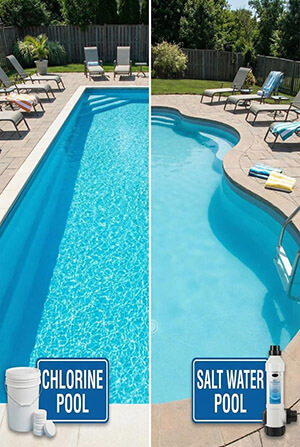
A saltwater pool is not chlorine-free; it uses a salt-chlorine generator to create its own chlorine.
Many owners find them easier because they automate chlorine production, leading to more stable water chemistry and a softer feel on the skin and eyes.
Learn More About Chlorine vs. Saltwater Pools
Still unsure which pool system is right for you? Check out our
in-depth article comparing chlorine pools and saltwater pools.
Discover the pros, cons, costs, and maintenance tips to help make the best decision for your lifestyle and budget. Read the full guide here!
27. How often should I replace my pool water?
You don’t need to replace the water routinely. A partial drain and refill is only necessary if Total Dissolved Solids (TDS), cyanuric acid, or calcium hardness levels become too high to manage with chemicals.
28. How can I reduce pool maintenance costs?
- Use a variable-speed pump to save on
- Maintain consistent chemical balance to avoid costly
- Use a solar cover to reduce water and heat
- Upgrade to energy-efficient LED
29. My pool loses water after heavy rain. Why?
This is a common misconception. Heavy rain adds water to your pool. If your water level drops afterward, it’s likely you have an overflow drain that’s removing the excess water, or you have a pre-existing leak that seems more noticeable after the water level changes.
30. What’s the most important thing for pool owners to remember?
Be proactive. Consistent, routine maintenance is the secret to a healthy pool. Regular testing, cleaning, and circulation will prevent 90% of major issues, saving you time, money, and frustration.
Your Partner in Pool Care
We hope this guide has answered your most pressing pool questions. Taking care of a pool can feel like a big job, but with a consistent routine, it becomes a simple and rewarding part of your week. Enjoy your swim!
Shop Pool Essentials on Our Amazon Storefront
Visit our Amazon Storefront for our curated selection of pool care essentials. From testing kits to cleaning tools, we’ve got everything you need for effortless pool maintenance. Click the link to shop today!